
How Orthotics Can Help Prevent Knee, Hip, and Back Pain
Persistent knee, hip, or back pain can affect everything from your daily comfort to your long-term mobility. While many people focus on treating pain after it develops, one of the most effective approaches is preventing biomechanical issues before they turn into chronic problems. For many individuals, custom orthotics play a key role in improving alignment, reducing strain, and supporting healthier movement patterns.
At Mutual Orthopedics, we’ve proudly served the orthotic and prosthetic needs of communities across the five boroughs of New York, as well as Nassau, Suffolk, and Orange counties. Our work is built around one goal: helping people move with greater confidence and comfort through high-quality, well-designed orthotic solutions. Understanding how orthotics influence the feet—and the joints above them—can make a meaningful difference in your overall musculoskeletal health.
How Orthotics Reduce Strain on the Hips
The hips are central to almost every motion—walking, bending, standing, and stabilizing the body. When the feet lack the structure needed to support proper leg alignment, the hips may rotate or tilt in ways that place additional stress on muscles and tendons.
Custom orthotics help create a more even and balanced foundation, which can improve pelvic alignment and reduce excess rotation during movement. This often leads to smoother gait patterns and less strain on the hip joint.
Supporting a Healthy Back Through Better Alignment
Back pain is one of the most common issues adults experience, and foot mechanics are frequently an overlooked factor. When the feet do not properly support the body’s weight, the spine may shift out of its natural alignment. This can affect posture and the way the body absorbs impact, especially in the lower back.
By improving foot positioning, orthotics assist in maintaining a more neutral, stable spinal posture. This reduces the stress placed on the back during both daily activities and extended periods of standing or walking.
Why Your Feet Affect Your Whole Body
Your feet are the foundation of your entire kinetic chain. Every step you take affects the ankles, knees, hips, and spine. When the feet do not absorb impact or distribute weight properly, the body is forced to compensate. Overpronation, supination, flat feet, and collapsed arches can all influence the alignment of the legs and pelvis, which in turn may contribute to knee strain, hip misalignment, or back tension.
Small irregularities in foot mechanics often create imbalances that travel upward. Over time, this can lead to joint irritation, muscle fatigue, or postural changes—issues that may develop gradually but impact long-term comfort and mobility.
Preventing Knee Pain With Proper Support
Because the knee depends heavily on correct foot positioning, even slight misalignments can change how the knee tracks with each step. When the foot rolls inward or outward too much, the knee often follows, creating unnecessary pressure on joint surfaces and surrounding tissues.
Orthotics help guide the foot into more stable alignment, encouraging smoother, more efficient movement. With better support underneath, the knee no longer compensates for poor foot mechanics, which may reduce the risk of overuse-related discomfort or irritation.
Why Custom Orthotics Make a Difference
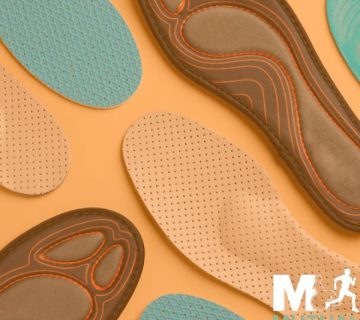
While store-bought insoles may offer temporary cushioning, they are not designed to correct structural issues or long-term misalignments. Custom orthotics, on the other hand, are created specifically for your foot shape, your walking pattern, and your individual support needs.
This personalized approach allows the orthotic to work with your body—not just soften your step. When tailored properly, orthotics can enhance stability, distribute pressure more evenly, and support more efficient and comfortable movement.
Signs You May Benefit From Orthotics
Many people begin exploring orthotic solutions when they notice frequent discomfort in the knees, hips, or back—especially if it worsens with prolonged standing or walking. Foot pain, ankle instability, uneven shoe wear, or a history of alignment issues are also common indicators that additional support may be helpful.
Addressing these symptoms early often helps prevent more significant problems later on, supporting long-term mobility and comfort.
Serving New York With Comprehensive Orthotic Solutions
Mutual Orthopedics is proud to serve individuals throughout New York City, Nassau County, Suffolk County, and Orange County. Our team provides high-quality orthotic solutions designed to improve comfort, stability, and functional movement.
Whether you’re seeking relief from ongoing discomfort or you simply want to prevent future issues, custom orthotics can be an important part of your long-term wellness strategy.