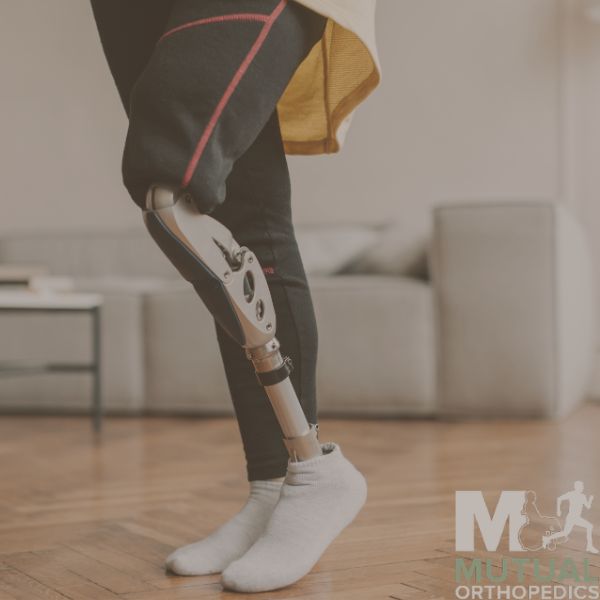
Microprocessor Prosthetic Knees: Advancing Mobility for Amputees
For individuals living with lower limb amputation, choosing the right prosthetic knee can significantly impact mobility and quality of life. Microprocessor prosthetic knees offer advanced prosthetic technology, using sensors and real-time adjustments to provide a more natural gait and greater stability than traditional mechanical systems. At Mutual Orthopedics, our team customizes prosthetic limbs for each patient, ensuring comfort, function, and confidence.
What Is a Microprocessor Prosthetic Knee?
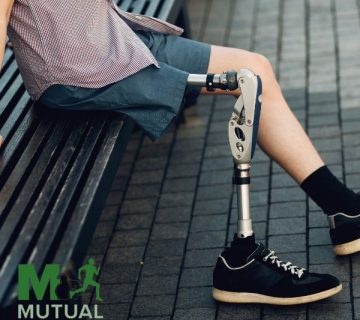
A microprocessor knee is a prosthetic device with embedded sensors that monitor movement and adjust resistance automatically. For transfemoral amputees, this allows smoother transitions during walking and helps replicate natural knee joint movement. Unlike mechanical prosthetic knees, microprocessor-controlled systems actively respond to changes in walking speed, terrain, and body position.
How Microprocessor Knees Improve Mobility
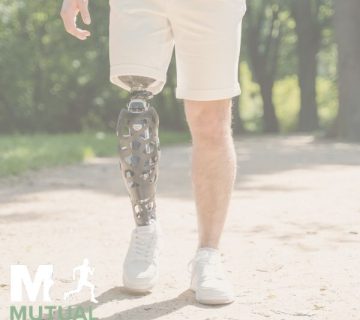
The microprocessor control continuously adapts during the swing phase of gait, improving prosthetic control and reducing the risk of falling. Users often experience enhanced walking speed, stability on uneven surfaces, and overall confidence. Combined with a well-fitted prosthetic socket, these knees provide a functional artificial limb tailored to each patient.
Microprocessor vs. Mechanical Prosthetic Knees
Mechanical prosthetic knees rely on fixed resistance settings, while microprocessor-controlled prosthetic knees adjust in real time. This advancement in prosthetic technology leads to smoother gait patterns, better mobility, and reduced risk of stumbling, particularly for active amputees navigating varied environments.
Who Benefits Most?
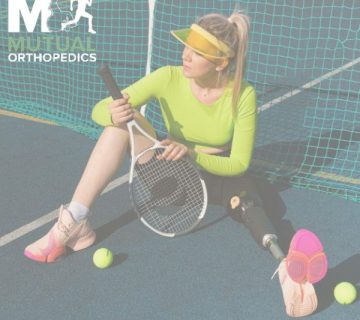
Patients with lower limb amputation who want increased independence, stability, and activity level are ideal candidates. Transfemoral amputees walking in the community or on uneven terrain see the greatest advantages. A prosthetist at Mutual Orthopedics evaluates each patient’s goals, limb strength, and activity needs to determine the optimal prosthetic knee solution.
Rehabilitation and Adjustment
Learning to use a microprocessor prosthetic knee involves guided rehabilitation. Coordinating the intact limb with the prosthetic limb improves gait symmetry and functional mobility. With proper training, most patients regain confidence and can perform daily and recreational activities more safely.
The Future of Prosthetic Knees
Ongoing advancements in prosthetic technology include powered and active prosthetic knees with artificial intelligence for smarter movement. Future designs aim to enhance mobility, prosthetic coverage, and natural movement, making high-tech prosthetic options accessible to more amputees. At Mutual Orthopedics, our prosthetists work closely with each patient to ensure their prosthetic knee and limb fit their lifestyle and goals, providing personalized care and support.