Mutual Orthopedics has been serving the orthotic and prosthetic needs of the people of the five boroughs of New York, in addition to Nassau, Suffolk, and Orange counties, since 1978. Those with a disability due to an accident or illness have come to rely on us to help them regain their independence. Our objective in working with patients is to provide the personalized care that is expected and deserved. We listen to you to determine your goals, allowing you to confidently experience life. Our experience blended with the knowledge of how to design individual solutions using modern technology makes us the preferred provider for patients of all ages. Whatever is needed, Mutual Orthopedics is able to offer the assistance required.
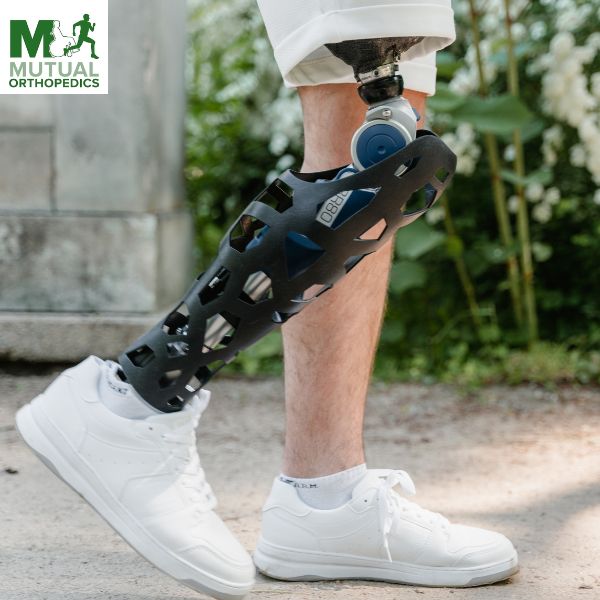
Prosthetic and orthotic devices are made by Mutual Orthopedics staff in our New York lab based on the specific needs of the patient. We work with leading manufacturers who are working daily like our entire staff to enable our patients to have their independence. Our devoted practitioners look forward to meeting and working with you to give you the lifestyle you desire. Our two New York offices are conveniently located in Islandia and Brooklyn, with our 4,000-square-foot prosthetics and orthotics laboratory located in the Long Island office.



Why Choose Mutual Orthopedics?
- Expert Knowledge
- Customized Solutions
- Comprehensive Assessments
- Advanced Technology
- Holistic Approach
- Experience with Complex Cases
- Rehabilitation Support
- Improved Quality of Life
- Seamless Coordination
How Mutual Orthopedics Can Help
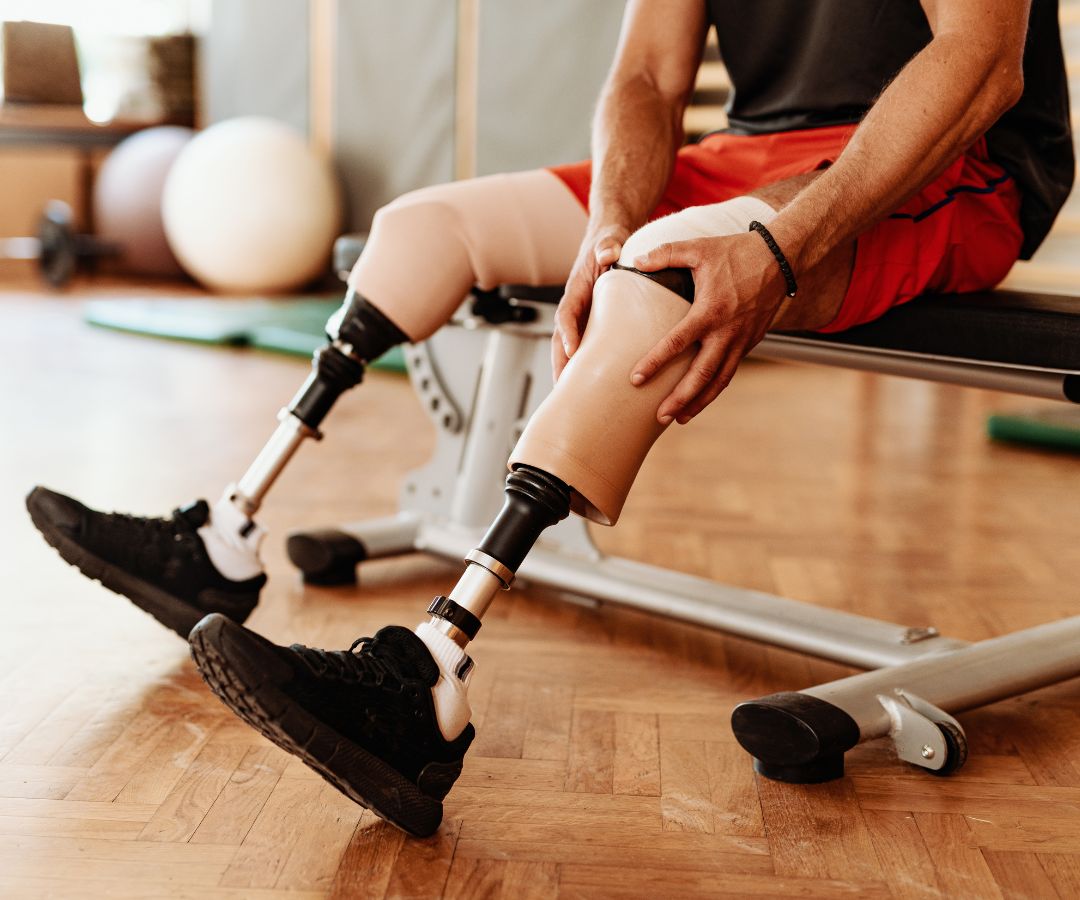
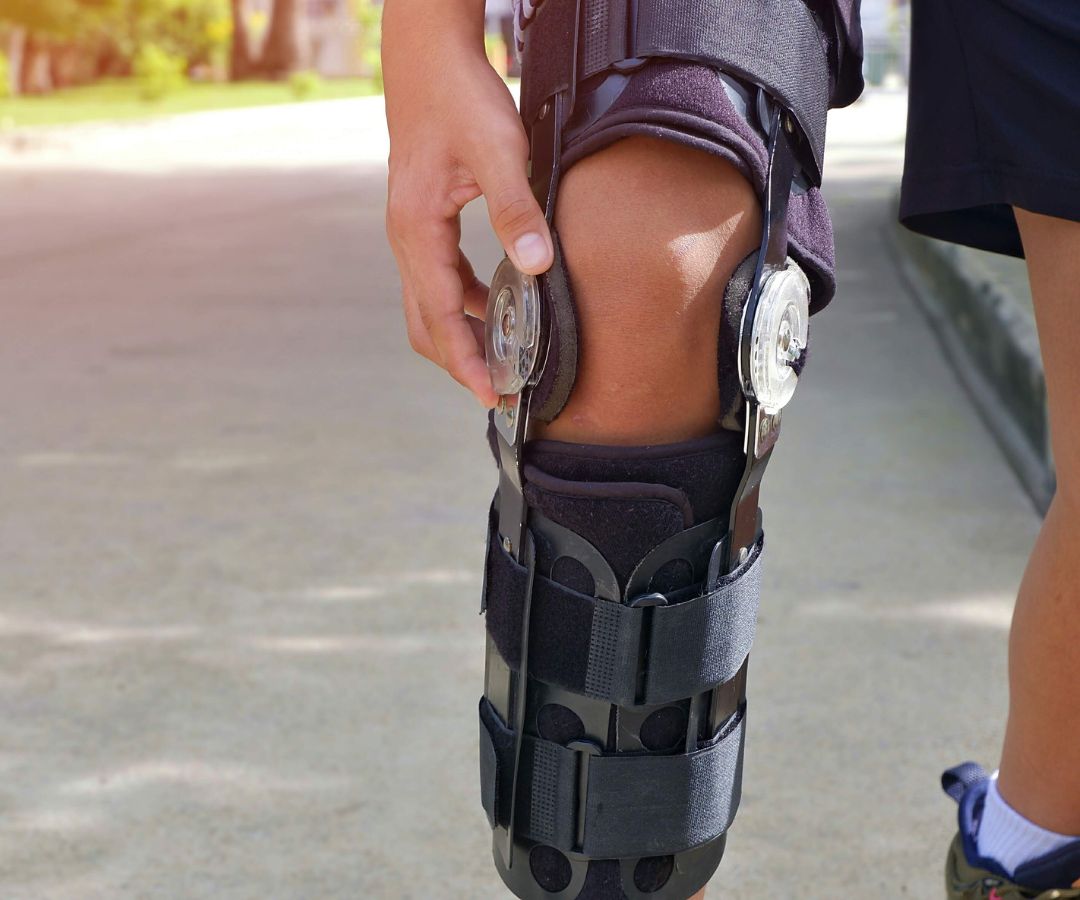
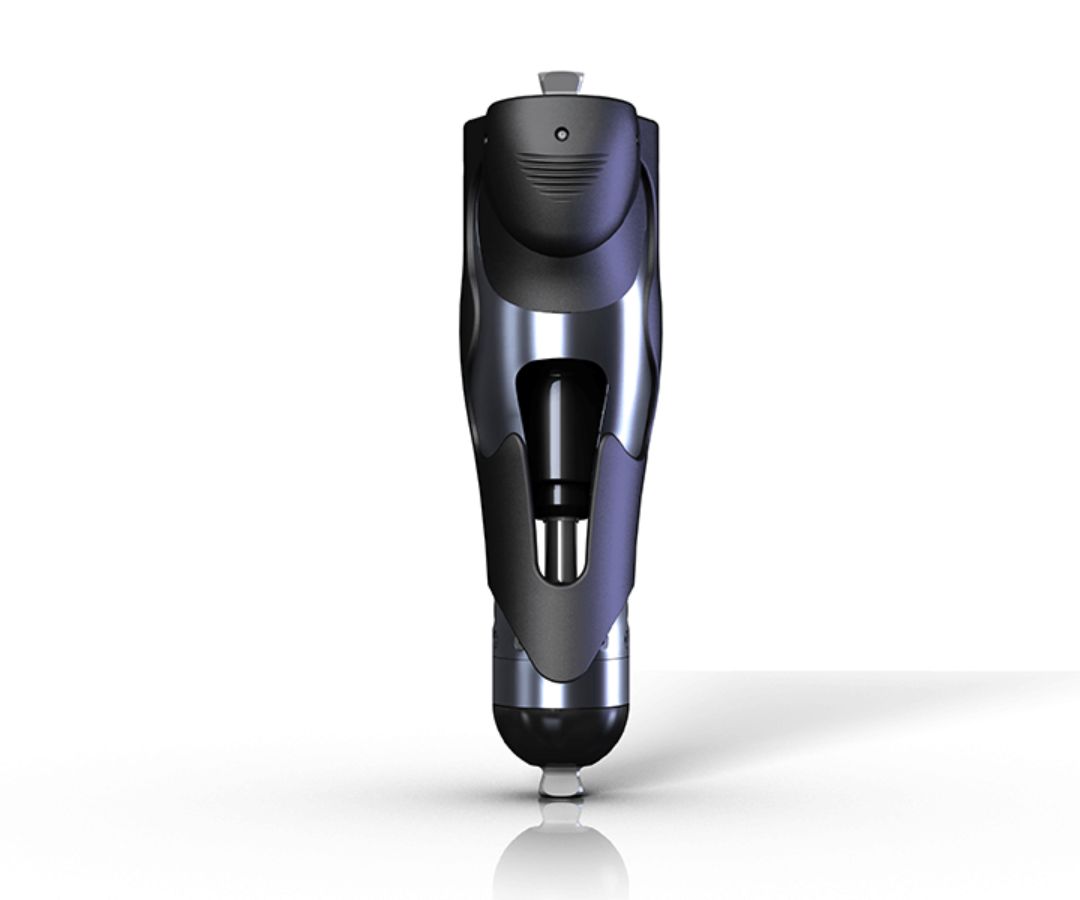
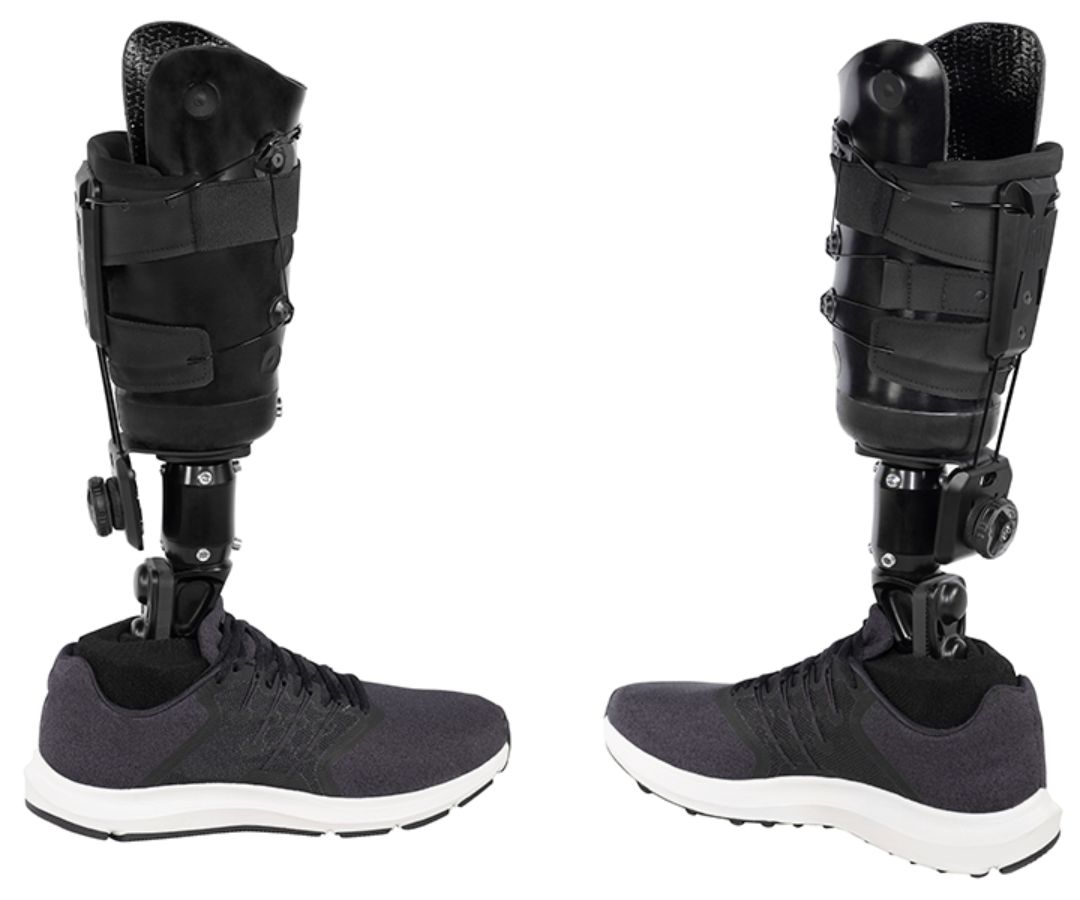
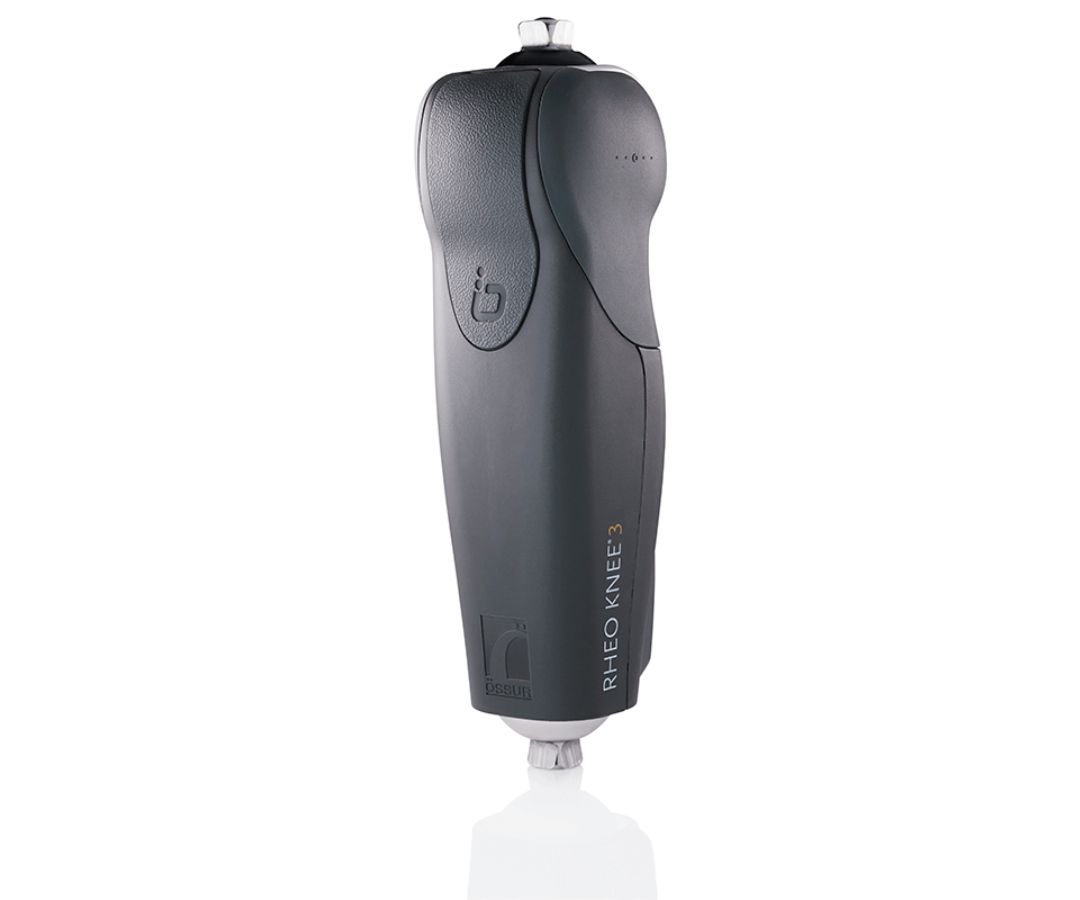
Amputation can dramatically change a person’s life. Therefore, it is important to have a special rehabilitation program that offers a wide range of services. Mutual Orthopedics’ program helps people adjust to their new situation and regain their independence while addressing issues related to inflammation. In Islandia, NY, many resources and a caring community are available for amputees. They can find support to overcome the challenges of recovery.
- Amputation rehabilitation is a comprehensive process that helps individuals regain mobility, independence, and quality of life.
- The journey typically involves pre-prosthetic training, prosthetic fitting and training, and ongoing physical and occupational therapy.
- Skilled healthcare professionals guide patients through each phase, addressing their physical and emotional well-being.
- Mutual Orthopedics offers diverse prosthetic options and rehabilitation programs tailored to individual requirements.
- Support groups and community resources provide additional assistance to amputees during their recovery.
Understanding Amputation Rehabilitation
Amputation rehabilitation is a personal journey tailored to each person’s needs and goals. It involves a team of healthcare workers, such as doctors, nurses, physical therapists, occupational therapists, prosthetists, and counselors.
Mutual Orthopedics team approach focuses on the physical, emotional, and social aspects of adjusting to life after amputation. The main goal is to help individuals gain the necessary tools, strategies, and support. This will help them improve their mobility, gain their independence, and live fulfilling lives.
 The Goals of Rehabilitation Post-Amputation
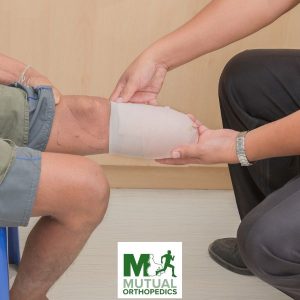 The Goals of Rehabilitation Post-Amputation
Rehabilitation after an amputation has essential goals. First, the focus is on helping the body heal and avoiding problems. This includes caring for wounds, managing pain, and reducing swelling in the remaining limb.
Second, rehabilitation works to improve a person’s physical ability. This means building strength, flexibility, balance, and coordination using exercises and therapies. This type of care aims to help the person move confidently and safely, with additional rehab center support and various services. Finally, the process highlights the importance of gaining independence in daily activities. This involves teaching new ways to do tasks like dressing, bathing, cooking, and using the toilet, whether they have a prosthesis or not.
Learning to Use Your Prosthesis Effectively
Once someone gets a prosthesis, they start a unique training program to learn how to use it well. This training usually begins with simple tasks like standing, balancing, and walking short distances.
As they get more confident and skilled, they move on to more strenuous activities. These include going upstairs, walking on uneven ground, and doing fun activities. Physical therapy is vital as it helps build the strength, coordination, and endurance needed to use the prosthesis effectively.
Therapists work closely with each person to create exercise programs that fit their goals and abilities.
Physical Therapy for Amputees
Physical therapy is a key part of amputee recovery. In Islandia, amputees can join special physical therapy programs that focus on building strength and boosting mobility.
The exercises aim to improve the remaining limb, core muscles, and other limbs, which helps with balance, coordination, and overall abilities.
 Strengthening and Conditioning Exercises
 Strengthening and Conditioning Exercises
Strengthening and conditioning programs for amputees aim to build strength in specific muscles. The exercises focus on core muscles, which are very important for balance and stability, as well as the muscles in the remaining limb and the residual limb.
Physical therapists create these exercises based on each person’s fitness level and type of amputation. As people get better, the exercises become more intense and challenging, helping them regain strength and endurance.
This targeted approach supports amputees in regaining their mobility, reducing the chance of falls, and improving their quality of life.
Mobility Training With and Without Prosthetics
Mobility training begins with exercises that people can do without their prostheses. As they get better, they will gradually use it in their activities. This can include workouts at the parallel bars, using help devices, or working on balance and coordination.
After becoming comfortable, the focus will change to walking with the prosthesis. They will start on flat surfaces. Later, they will practice on stairs, ramps, and uneven ground. The aim is to help amputees gain skills to move safely and confidently in different places.
Physical therapists also teach amputees ways to save energy and use devices to aid their movement. This helps them be more independent all day long.
Challenges and Solutions in Amputation Rehabilitation
Amputation rehabilitation can go quite well, but some people may face difficulties. They might deal with phantom limb pain, skin irritation, and adjusting psychologically. Luckily, there are many solutions to help with these issues. Pain management techniques, prosthetic adjustments, counseling, and support groups can all be helpful.
Overcoming Common Obstacles in Rehabilitation
Phantom limb pain is a common problem. It can feel like pain, tingling, or burning in the missing limb. Therapies like mirror therapy, medication, and nerve stimulation can help manage this pain. Prosthetics often cause skin irritation. You can help prevent this by following good skin care routines, making adjustments to the prosthetics, or using special liners or socks. Psychological issues, like anxiety, depression, or feelings of loss, can be improved by counseling, support groups, and staying in touch with family and friends. Amputation rehabilitation specialists are here to give guidance, resources, and support. They help people deal with these challenges and promote a good recovery.
Success Stories: Patients’ Journey to Recovery
Many success stories show how amputation rehabilitation can change lives. People who once struggled have gone on to do amazing things. Some have returned to their favorite sports and hobbies, while others have discovered new passions that bring them joy. These inspiring paths highlight the strength of the human spirit. They show how vital determination and perseverance are. They also remind us of the great support from healthcare professionals, which allows individuals to face challenges and reach their full potential.
Frequently Asked Questions
 What is the average duration of amputation rehabilitation?
The time it takes for amputation rehabilitation in Islandia, NY, can differ for each individual’s needs. It might take a few months or a year or longer. Some important things that affect this are the type of amputation, the person’s general health, and how well they are recovering from their spinal cord injury.
Can I choose the type of prosthesis I receive?
You will work closely with a prosthetist MD. They will consider your needs, likes, and lifestyle, which will help them recommend the best prosthetic options for you. You will also take part in making these decisions.
How do I deal with phantom limb pain during rehabilitation?
Islandia, NY, has different ways to help with phantom pain, including techniques used in Palatine Bridge. These include mirror therapy, medication, and nerve stimulation. Your rehab team will collaborate to create the best pain management plan for you.
Are there any financial assistance programs for amputees in Islandia?
Islandia, NY, has many programs and resources to help amputees, including government aid, nonprofit groups, and support circles.
How can family members support a loved one during rehabilitation?
Family members in Islandia, NY, can offer great help by encouraging each other, listening closely, helping with daily tasks, and taking part in inpatient rehab diagnosis sessions for arthritis during this challenging time of addiction in New York City. It is essential to have open communication and understanding.
Contact Us For Support
Amputation rehabilitation in Islandia is a thorough process with different stages aimed at recovering physically, emotionally, and mentally. It includes care before getting prosthetics and advanced methods like virtual reality. Each step, such as physical therapy, prosthetic training, occupational therapy, and emotional support, is essential for regaining independence and improving life quality. Success stories of patients show the strength and will needed for recovery. Having support and resources is key for a complete rehabilitation experience. For more information on amputation rehabilitation in Islandia, contact Mutual Orthopedics for personalized guidance and help.