Sports and Recreation with a Prosthetic Limb
At Mutual Orthopedics, we believe that limb loss doesn’t have to mean giving up the sports and activities you love. Thanks to advances in prosthetic technology and the growing world of adaptive sports, amputees of all ages are getting back into sports, setting new personal records, and discovering recreation in ways they never imagined possible.
Why Physical Activity Matters After Amputation
Staying involved in sports and physical activity after amputation is about much more than fitness. Physical activity strengthens the cardiovascular system, supports rehabilitation, improves mental health, and helps amputees rebuild confidence and independence. Whether your goal is recreational running, cycling, or competing at the Paralympic level, the right prosthetic limb and support can help you get there.
Sports Prosthetics: Built for Performance
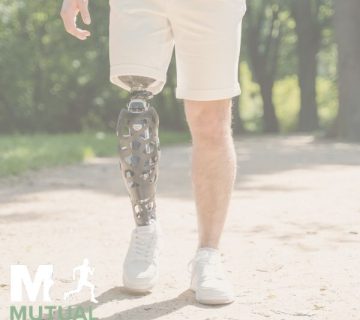
Modern sports prosthetics are designed to meet the demands of high-performance sports and recreational activities alike. Specialized prosthetic devices for athletics include running blades made from carbon fiber that provide energy return with every stride, lower-limb prosthetics built for cycling that allow amputees to pedal efficiently, and prosthetic feet engineered for agility and range of motion. For upper limb amputees, prosthetic arms and prosthetic attachments are available for a wide range of sports activities. Your level of amputation and activity goals will guide your prosthetist in recommending the best prosthetic options for your specific sport.
Best Sports and Recreational Activities for Amputees
The range of sports available to adaptive athletes is broader than most people realize. Here are some of the most popular and accessible sports for amputees:
- Running and Track and Field — With a running prosthesis or running blade, many amputees jog, sprint, and compete in track and field events at every level.
- Cycling — A bicycle adapted with prosthetic components allows lower limb and upper limb amputees to cycle for recreation or competition.
- Wheelchair Basketball — One of the most popular adaptive team sports, wheelchair basketball offers fast-paced competition and strong support networks.
- Archery — Archery is an excellent sport for amputees, requiring focus and upper body control with minimal impact on the residual limb and socket.
- Rock Climbing — With adaptive equipment and the right prosthetic device, rock climbing is increasingly accessible to amputee athletes.
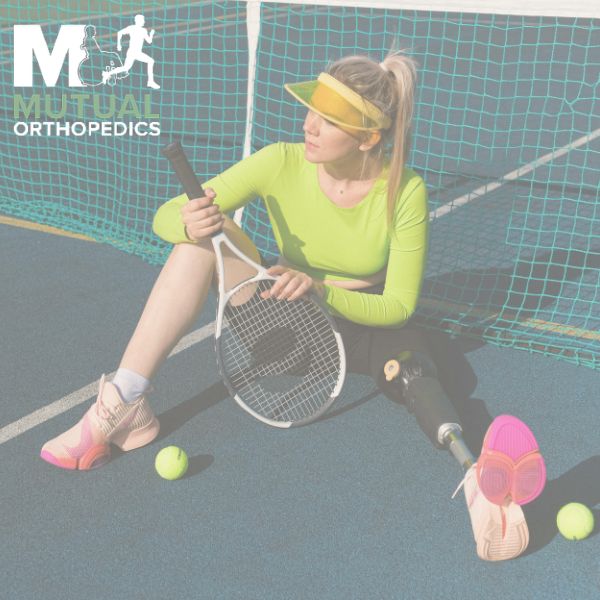
- Table Tennis — A popular sport among adaptive athletes, table tennis builds range of motion, coordination, and is easy to participate in at any level.
- Volleyball — Both sitting and standing volleyball are team sport options that welcome athletes with prosthetics at recreational and competitive levels.
Resources for Adaptive Athletes
Organizations like Disabled Sports USA and the Challenged Athletes Foundation help amputees connect with the adaptive sports community, find tournaments for amputee athletes, and access adaptive sports equipment and funding. These support networks play a vital role in helping athletes with physical challenges reach their full athletic potential and achieve meaningful athletic achievements.
Finding the Right Prosthetic Solutions for Your Athletic Goals
Every amputee’s prosthetic needs are different. Working closely with your prosthetist is essential to identifying the right prosthetic solutions for the different sports and recreational activities you want to pursue. Advanced prosthetics and adaptive equipment have made it possible for individuals with limb loss to compete in many sports — from traditional sports to Paralympic competition.
At Mutual Orthopedics, we are committed to helping you reach your athletic goals and support your journey back to the sports you love. With locations in Islandia and Brooklyn, NY, our team specializes in comprehensive prosthetic care for amputees at every stage of rehabilitation. Contact us today to discuss your new prosthetic needs and take the next step toward an active life.